The Best Fluffy Pancakes recipe you will fall in love with. Full of tips and tricks to help you make the best pancakes.

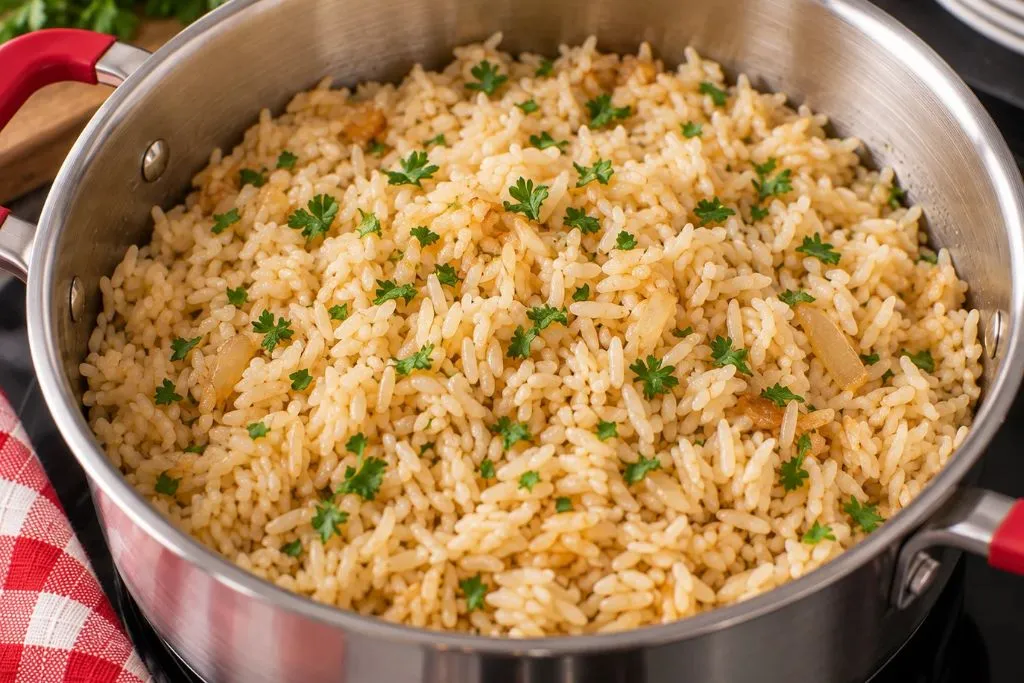
This rice pilaf recipe comes out light, fluffy and full of flavor, with each grain staying separate instead of clumping together. Toasting the rice in butter before it ever touches liquid is the step that makes all the difference. It is the side dish I make anytime a meal needs something more interesting than plain steamed rice, ready in about 30 minutes.
Table of Contents
What is rice pilaf?
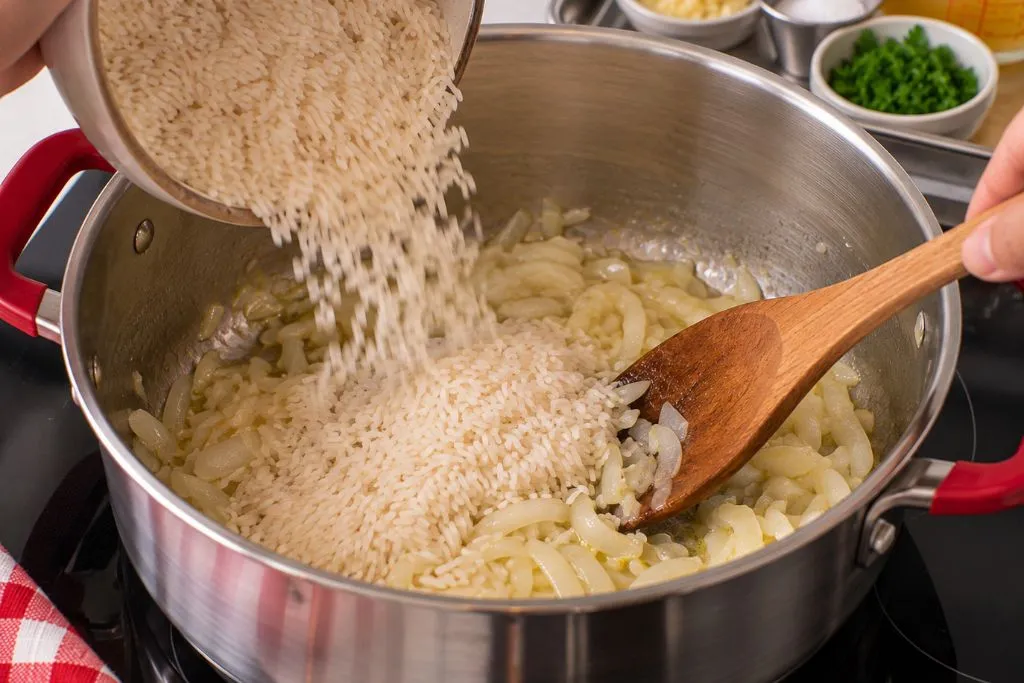
Rice pilaf is rice cooked using a specific method, not just a recipe with specific ingredients. The rice is first toasted in butter or oil, often with onion or other aromatics, before broth is added and the pot is simmered covered until the liquid is absorbed. That toasting step is what separates a pilaf from plain boiled or steamed rice, it coats each grain in fat and lightly seals the surface, so the rice cooks up light and separate instead of sticky.
The technique shows up across Mediterranean, Middle Eastern, and Central and South Asian cooking, each region with its own version and spices. This one keeps things simple with onion, garlic and broth, closer to the everyday side dish version you would find alongside a weeknight dinner.
Why this recipe works
The first time I made pilaf, I lifted the lid partway through to check on it and gave everything a stir. The rice came out gummy on the bottom and undercooked on top. Simmering covered, undisturbed, from start to finish lets the steam do its job evenly. Every time the lid comes off, heat and moisture escape, and the rice cooks unevenly.
Ingredient notes and substitutions
Rice: long-grain white rice like basmati or jasmine gives the fluffiest, most separate grains. Short-grain or medium-grain rice releases more starch and turns stickier.
Broth: chicken broth adds savory depth, vegetable broth keeps it vegetarian. Water works in a pinch, though the flavor is flatter.
Onion and garlic: the classic aromatic base. A finely diced shallot works well too.
Butter: adds richness to the toasting step. Olive oil is a good swap for a lighter, more Mediterranean-leaning flavor.
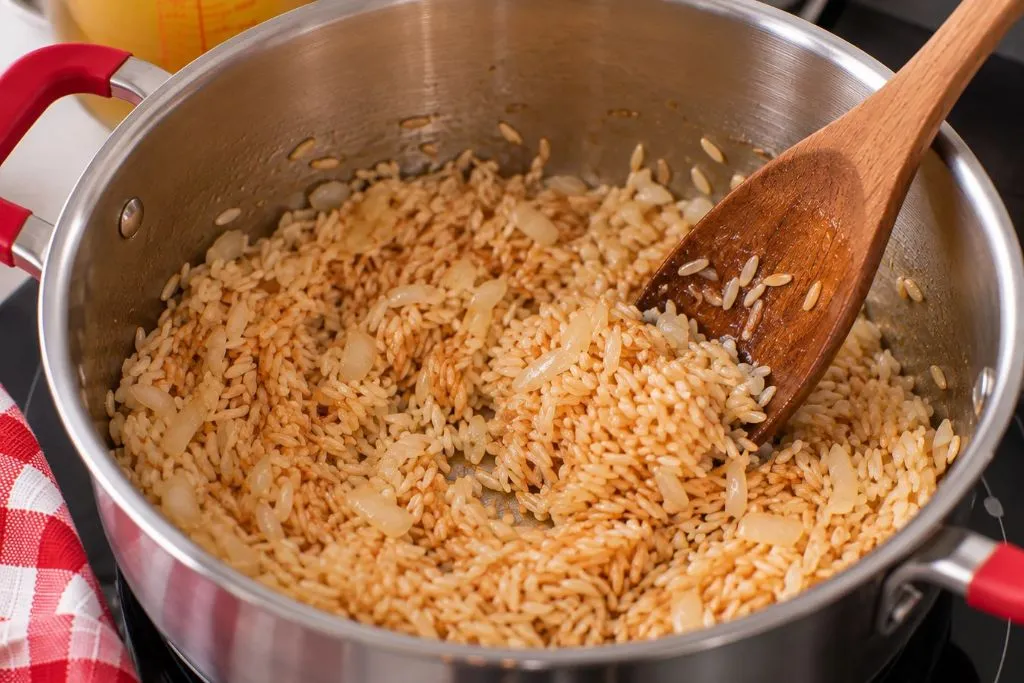
Rice pilaf recipe
Rice Pilaf
Servings
6
servingsPrep time
10
minutesCooking time
20
minutesTotal time
30
minutesLong-grain rice toasted in butter with onion and garlic, then simmered in broth until light and fluffy. A simple, versatile side ready in about 30 minutes.
Ingredients
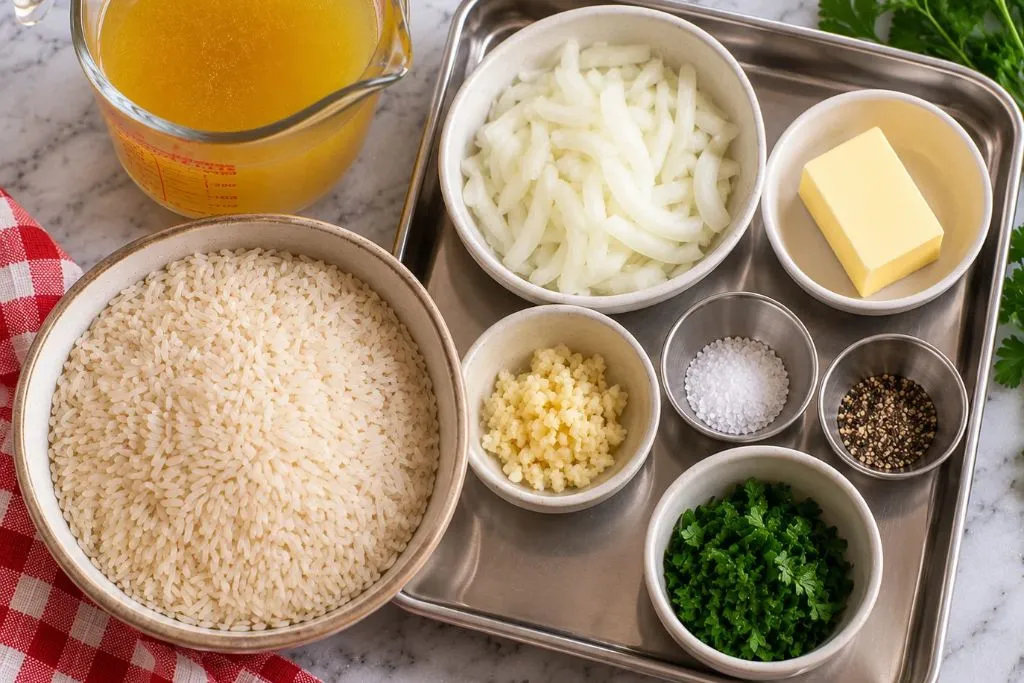
2 tablespoons unsalted butter
1 small onion, finely chopped
2 garlic cloves, minced
1 1/2 cups long-grain white rice, rinsed and drained
2 3/4 cups chicken broth or vegetable broth
1/2 teaspoon salt, plus more to taste
1/4 teaspoon black pepper
2 tablespoons chopped fresh parsley, for serving (optional)
Directions
- Melt the butter in a large saucepan or skillet with a tight-fitting lid over medium heat. Add the onion and cook for 3 to 4 minutes, until softened and translucent.
- Add the garlic and cook for 30 seconds, until fragrant.
- Add the rinsed rice and cook, stirring often, for 2 to 3 minutes, until the grains look slightly translucent and toasted at the edges.
- Add the broth, salt and pepper. Bring to a boil, then reduce the heat to low, cover, and simmer for 15 to 18 minutes without lifting the lid or stirring.
- Remove from the heat and let stand, covered, for 5 minutes.
- Fluff the rice with a fork, sprinkle with parsley, if using, and serve warm.
Notes
- Servings and timing are estimates based on the ingredients in this recipe, adjust to taste and to your own tested version. Avoid lifting the lid while the rice simmers, every peek lets steam escape.
Tips for the best rice pilaf
- Rinse the rice under cold water until it runs mostly clear, this removes extra starch and keeps the grains from clumping.
- Do not skip the toasting step, the rice should look slightly translucent and smell lightly nutty before the broth goes in.
- Resist the urge to lift the lid or stir while it simmers, every peek lets steam escape and can leave you with unevenly cooked rice.
- Let the pot rest off the heat for 5 minutes before fluffing, this gives the last bit of steam time to finish the job.
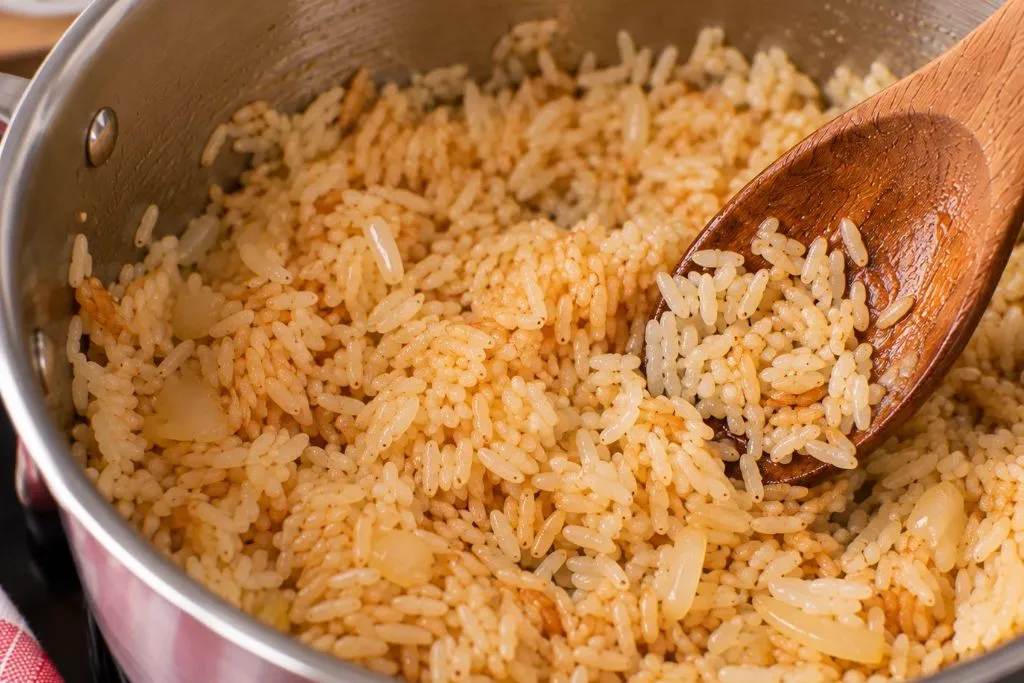
Ways to vary this dish
- Toasted nuts: stir in a handful of toasted slivered almonds or pine nuts right before serving for crunch.
- Saffron or turmeric: add a pinch to the broth for a golden color and earthy flavor.
- Dried fruit: stir in a handful of raisins or chopped dried apricots with the broth for a slightly sweet, Middle Eastern-style variation.
- More vegetables: fold in a cup of frozen peas or diced carrots during the last few minutes of simmering for a heartier, more colorful side.
- Bake it instead: after toasting the rice, transfer everything to a covered baking dish and bake at 350°F for about 25 minutes if you would rather free up the stovetop.
- Cold rice salad: let it cool completely and toss with a lemony vinaigrette for a cold rice salad the next day.
What to serve with rice pilaf
Rice pilaf is a natural side for just about any roasted or pan-seared protein. Chicken Cutlets are one of my favorite pairings, but it is just as good next to grilled fish or a simple roast chicken.
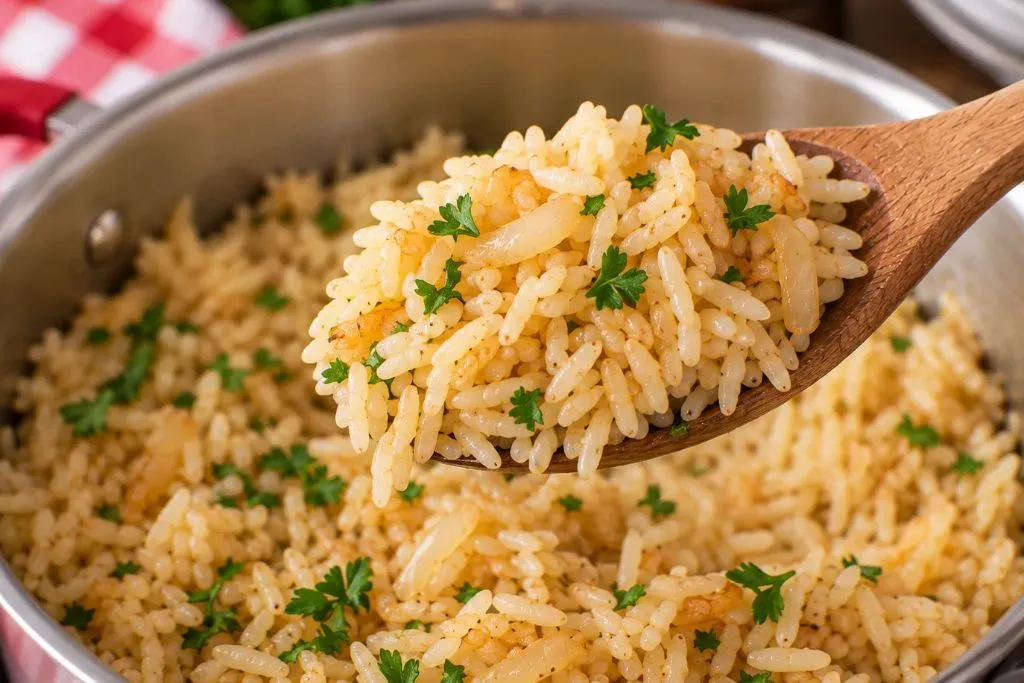
Storage and reheating
Leftovers keep in an airtight container in the fridge for up to 5 days, or in the freezer for up to 2 months. Reheat in a saucepan over low heat with a splash of broth or water to loosen it back up, or in the microwave in 30 second bursts, fluffing with a fork in between.
Nutrition estimate
These numbers are an estimate only, based on the ingredients as written, not a calculated or verified nutrition label. One serving, about one sixth of the recipe, comes out to roughly 180 to 210 calories, with around 4 grams of protein. Use vegetable broth and a bit less butter for a lighter version.
Frequently asked questions
What is the best rice to use for rice pilaf?
Long-grain white rice, like basmati or jasmine, works best. It has less starch than short or medium-grain rice, so the grains stay light and separate instead of turning sticky.
What’s the difference between rice pilaf and risotto?
Pilaf and risotto both start by toasting rice in fat, but the similarities stop there. Pilaf is simmered covered and left alone until the liquid is absorbed, while risotto is stirred constantly and the liquid is added gradually, which creates a much creamier texture.
Can I make rice pilaf with already-cooked rice?
This recipe is built around toasting raw rice before adding liquid, which is what gives pilaf its texture, so it does not work the same way with rice that is already cooked. If you are starting with leftover rice, a quick saute with butter and aromatics will still taste good, just closer to fried rice than a true pilaf.
How long does rice pilaf keep in the fridge?
Stored in an airtight container, rice pilaf keeps well in the fridge for up to 5 days.