The Best Fluffy Pancakes recipe you will fall in love with. Full of tips and tricks to help you make the best pancakes.

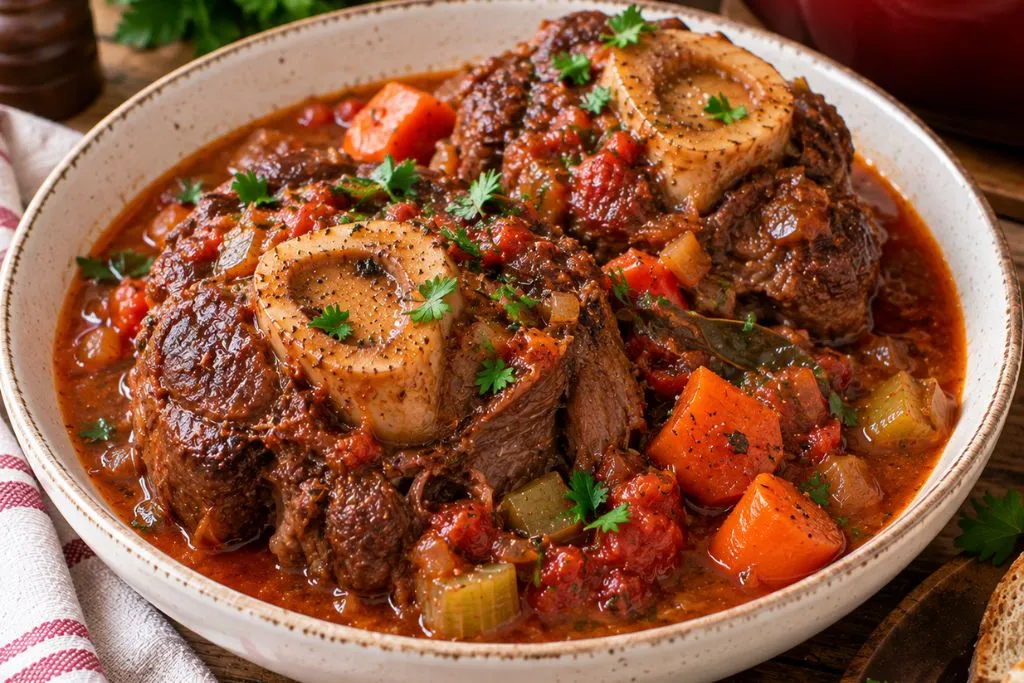
Table of Contents
Overview of the beef shank
Beef shank is the leg portion of a steer or heifer. Despite being one of the less tender cuts of beef, it is prized for its rich flavor. Typically, beef shanks are cut across the leg bones, so each piece contains a cross-section of shin bone with some marrow in the center. This composition makes beef shank excellent for slow-cooking methods, where the marrow can melt into the dish, enriching the flavor and boosting the nutritional value.
Importance in Various Cuisines
Across the globe, beef shank is celebrated for its robust texture and ability to absorb flavors. In Italian cuisine, it’s transformed into luxurious osso buco. In Asian kitchens, it’s often used in deeply flavorful broths and stews that are simmered for hours, allowing the beef shank to impart its full flavor and tenderize to perfection. This cut’s versatility and delicious outcome have made it a staple in many traditional dishes worldwide, proving that good things indeed come to those who wait.
Delicious beef shank Recipe
Delicious Beef Shank Recipe
Servings
4
servingsPrep time
20
minutesCooking time
3
hoursTotal time
3
hours20
minutesA slow-braised beef shank in a rich tomato and herb sauce, simmered until the meat is fork-tender and falling off the bone.
Ingredients
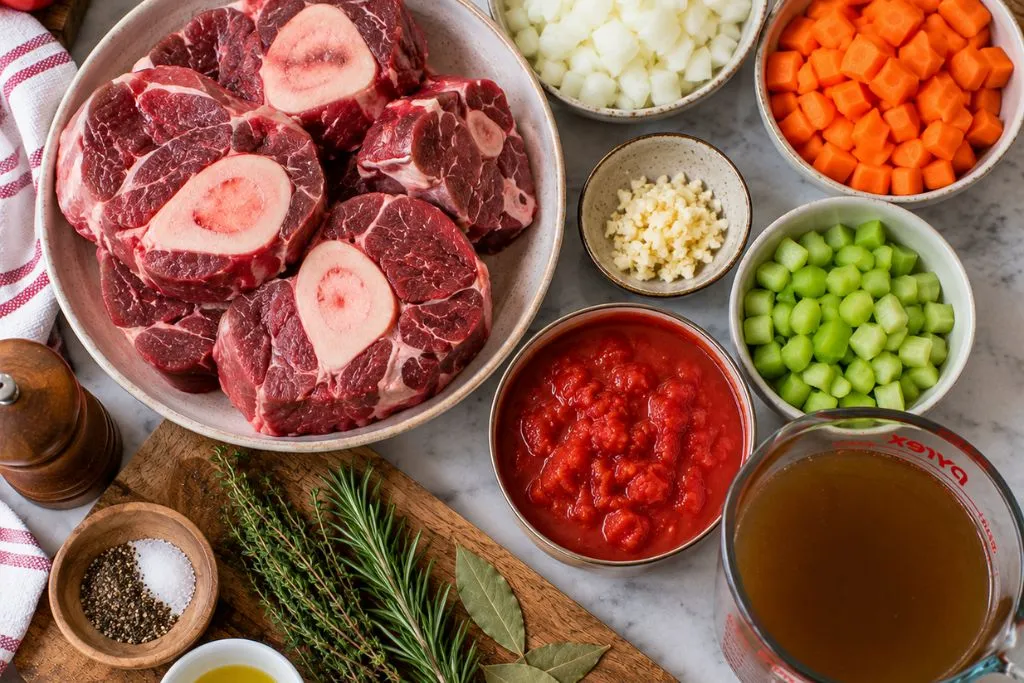
2 lbs beef shank, bone-in
2 tablespoons olive oil
1 large onion, diced
3 cloves garlic, minced
2 large carrots, diced
2 celery stalks, diced
3 cups beef broth (you can substitute part of it with red wine for extra depth)
1 can (14.5 oz) diced tomatoes
1 bay leaf
1 teaspoon dried thyme
1 teaspoon dried rosemary
Salt and pepper, to taste
Fresh parsley, chopped, for garnish
Directions
- Prepare the beef shank: pat it dry with paper towels and season both sides with salt and pepper.
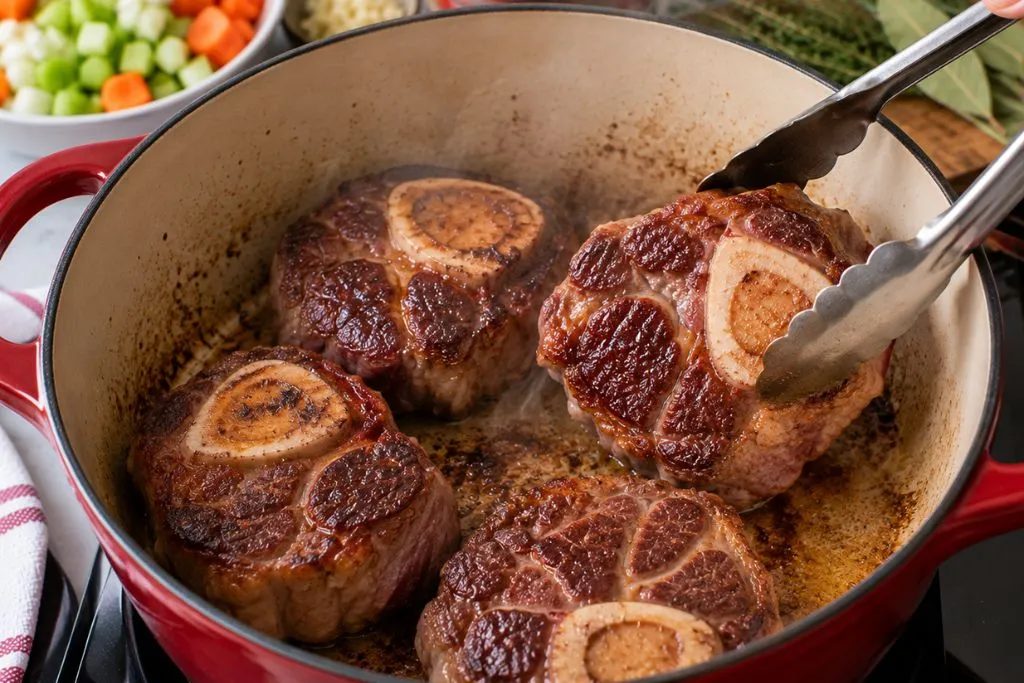
- Brown the beef shank: heat the olive oil over medium-high heat in a large Dutch oven or heavy-bottomed pot. Sear the beef shanks on each side until browned, about 4-5 minutes per side, then remove and set aside.
- Saute the vegetables: in the same pot, add the diced onion, carrots and celery. Saute for 5-7 minutes until softened, then add the garlic and cook for another 1-2 minutes.
- Deglaze the pot: pour in 1 cup of the beef broth, scraping up any browned bits from the bottom.
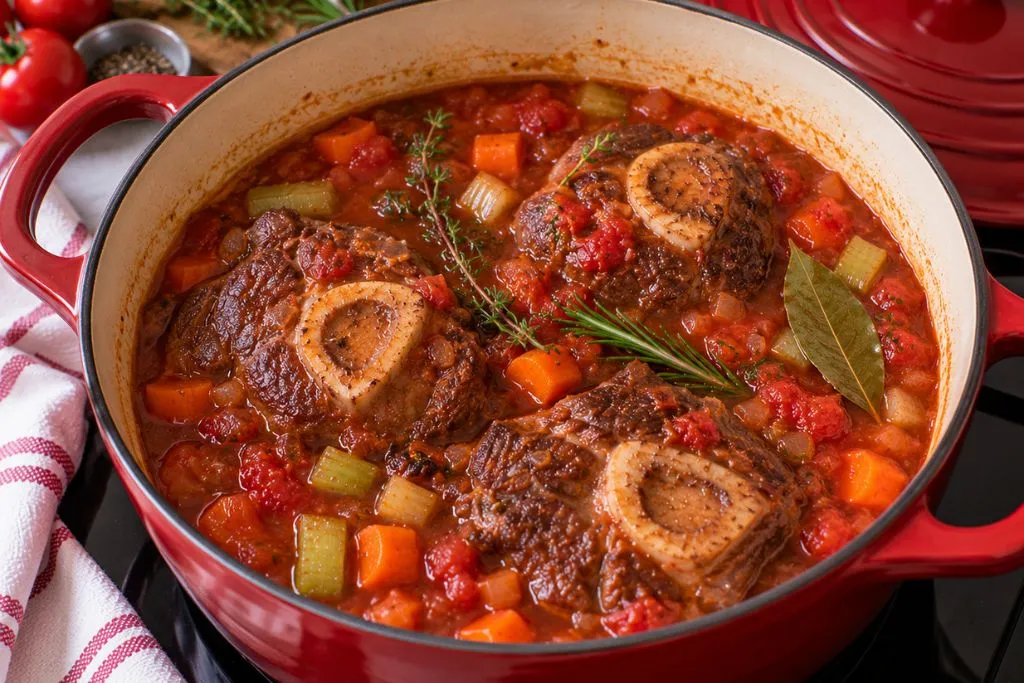
- Add the liquids and seasonings: add the diced tomatoes with their juice, the remaining beef broth, bay leaf, thyme and rosemary. Return the beef shanks to the pot, nestling them into the sauce.
- Simmer: bring to a boil, then reduce the heat to low, cover, and let simmer for about 2.5 to 3 hours, until the meat is tender and falling off the bone.
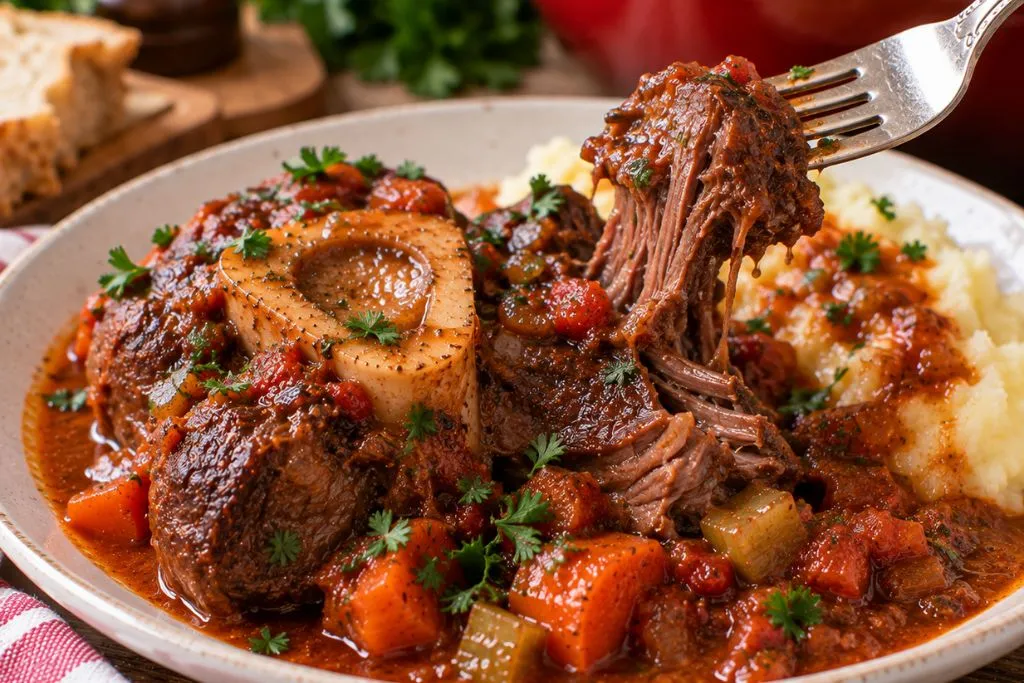
- Serve: remove the beef shanks from the pot and discard the bay leaf. Taste the sauce and adjust the seasoning, then serve the braised beef shank with the sauce, garnished with fresh parsley.
Notes
- Servings and timing are an estimate based on the ingredient quantities and simmering time in this recipe – adjust to taste and to your own tested version. The original prep/cook time listed for this recipe did not match its own simmering instructions (2.5-3 hours); the times above have been corrected to reflect the actual steps.
Serving Suggestions
- Serve the braised beef shank over mashed potatoes, polenta, or with a side of crusty bread to soak up the delicious sauce.
Storing
Proper storage is key to maintaining the quality and safety of your beef shank. Here’s how to store it correctly:
- Refrigerating: If you plan to cook the beef shank within a few days, wrap it tightly in plastic wrap or place it in an airtight container and refrigerate it. It should be stored at or below 40°F (4°C).
- Freezing: For longer storage, it’s can be frozen for several months. Wrap the meat tightly in freezer-safe wrap or a heavy-duty freezer bag to prevent freezer burn and retain quality.
- Thawing: Always thaw frozen beef shank in the refrigerator and not at room temperature to ensure it remains safe to eat. Allow plenty of time for it to thaw completely, typically overnight for every five pounds.
Nutritional Value
Not only is it delicious, but it’s also nutritious. It’s a fantastic source of lean protein, essential for muscle repair and growth. Furthermore, it’s rich in minerals such as iron and zinc, crucial for maintaining a healthy immune system and metabolism. It’s also a great source of collagen, which can be beneficial for skin and joint health. This cut, with its impressive array of nutrients, represents a powerhouse that can contribute significantly to a balanced diet.
Cooking is not just about savoring a tasty meal; it’s about indulging in a nutritious feast that satisfies body and soul. Whether braised, stewed, or smoked, it not only transforms into a soft, palatable delight but also infuses the dish with its rich minerals and vitamins, making every bite a healthful indulgence.
Frequently Asked Questions
What makes beef shank different from other cuts?
It’s harvested from the leg of the cow, making it one of the toughest cuts due to the constant use of this muscle. This toughness also gives it a unique texture and flavor, especially when slow-cooked, which breaks down the connective tissues and results in a tender, flavorful dish.
Can beef shank be cooked quickly on high heat?
It’s not recommended to cook it on high heat quickly because it won’t allow the tough connective tissues to break down properly. Slow cooking methods like braising or smoking are ideal for making the meat tender and flavorful.
What are the best seasonings for beef shank?
Beef shank pairs well with robust seasonings and herbs. Rosemary, thyme, and bay leaves are classic herbs that complement its flavor. For spices, consider using paprika, garlic powder, and black pepper for added depth.
How do you know when beef shank is cooked properly?
It is cooked properly when it is fork-tender. This typically occurs when the internal temperature reaches around 200°F (93°C), allowing the collagen within the meat to melt and the fibers to become tender.
Can beef shank be used for making stock?
Absolutely! Beef shank is excellent for making rich, flavorful stocks and broths. The bones and marrow add a lot of flavors and nutrients, making it a popular choice for bone broth enthusiasts.
Is beef shank suitable for a diet?
Yes, beef shank is a great addition to a diet focused on lean proteins. It is relatively low in fat compared to other cuts and is high in protein, making it a healthy option for muscle building and maintenance.